Playing to Yourself: Why Solo Artists Keep Choosing Songs Their Audiences Have Already Forgotten
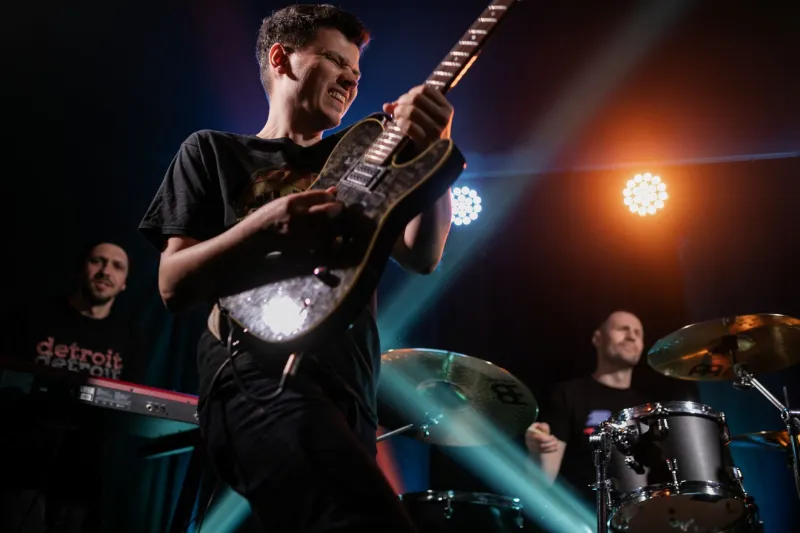
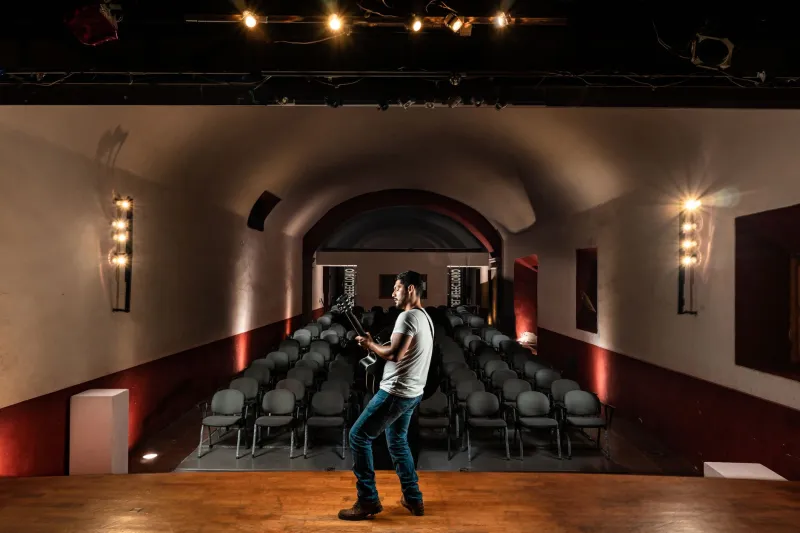
Picture this: a solo artist steps up to the mic at a packed venue in Nashville, Austin, or some beloved dive bar in Brooklyn. The room is buzzing. People are ready. Then the opening chords hit — and half the crowd exchanges that look. You know the one. The polite nod that says I have no idea what this song is, but I'll pretend.
It happens more than anyone wants to admit. And for independent artists building their careers one show at a time, it can quietly kill the momentum they've worked so hard to create.
So why does it keep happening?
The Artist's Dilemma: Passion vs. Popularity
Here's the thing about solo musicians — they tend to be deeply, almost obsessively attached to their catalog. Every song represents a moment, a late night in the studio, a emotional excavation they survived. So when it comes time to build a setlist, the temptation to lean into the personal favorites is almost impossible to resist.
Marcus Hale, a singer-songwriter who's been playing the independent circuit across the Midwest for about six years, put it plainly: "I'll be honest, sometimes I pick songs because I want to play them, not because I think the crowd needs to hear them. There's a difference, and I know it, but in the moment it doesn't always feel like it matters."
Except it does matter. A lot.
Audiences — especially at smaller, independent shows — aren't passive. They're reading the room just as much as the artist is. When a performer leans too hard into deep cuts or album tracks that never found an audience, the energy in the room shifts. People reach for their phones. Conversations pick back up. The magic window closes.
What Fans Are Actually There For
Talk to enough people who regularly attend solo artist shows and a pattern emerges pretty quickly. Fans want to feel something familiar, at least some of the time. That doesn't mean they want a greatest hits parade from start to finish — but they need anchor points. Songs they recognize, songs they've already bonded with, songs that feel like the reason they bought the ticket in the first place.
Jessica Tran, a music fan from Chicago who estimates she attends around forty live shows a year, said something that stuck: "I love discovering new stuff at shows. But if I go an entire set without hearing anything I know, it starts to feel like homework. I want to be moved, not educated."
That word — homework — comes up a lot when you talk to audiences about setlist fatigue. There's a ceiling on how much unfamiliar material people can absorb in one sitting, especially in a live setting where there's no pause button, no replay, no algorithm feeding them context clues.
The Psychology Behind the Disconnect
So if artists know their audiences want recognition, why do so many of them keep missing the mark?
Part of it is fear, ironically. Some solo artists are terrified of seeming like a one-trick pony. They worry that leaning on their most-streamed tracks will make them look like they don't have range. So they overcompensate by front-loading the set with newer, more "artistically serious" work — and inadvertently lose the crowd before they've even warmed up.
There's also the issue of proximity bias. The songs an artist has been living with most recently feel the most alive to them. If they just finished recording a new EP, those tracks feel urgent and vital. But to an audience who hasn't heard them yet, those same songs are cold strangers.
Coach and performance consultant Dana Reyes, who works with independent artists on stage presence and audience engagement, calls this "the rehearsal room illusion." "Artists spend so much time with their new material that it feels familiar to them," she explained. "They forget that familiarity is one-sided. The audience hasn't been in that rehearsal room."
Reading the Room Without Losing Your Mind
Here's where things get practical — and honestly, a little exciting. Because the artists who crack this problem don't do it by abandoning their instincts. They do it by building more flexibility into how they approach a show.
One strategy that's gaining traction among independent performers is the "anchor and explore" model. The idea is simple: open with something recognizable, use it to establish trust with the audience, then earn the right to take them somewhere new. Think of it like a road trip — you don't start by getting on the most scenic back roads. You get on the highway first, let everyone settle in, then take the exit that surprises them.
Marcus described his own version of this approach: "I started keeping a mental note of which songs get the biggest reactions in the first three songs. If something lands, I let it breathe. If I feel the room cooling off, I pull back and go to something I know will reconnect us."
It sounds simple. It's not. Reading a live crowd in real time takes practice, confidence, and the willingness to deviate from the plan — which can feel terrifying when you've spent three weeks crafting the perfect setlist.
The Setlist Isn't Sacred
Maybe the biggest mindset shift solo artists can make is letting go of the idea that the setlist is a document rather than a draft. The printed sheet taped to the floor monitor is a starting point, not a contract.
Some artists have started leaving deliberate flex slots in their sets — two or three positions where they'll make a game-time decision based on how the audience is responding. It's a small structural change that creates a huge psychological shift. Instead of marching through a predetermined program, they're in actual conversation with the room.
Dana puts it this way: "The best solo performers I've worked with treat every show like a negotiation. They come in with a proposal, but they're genuinely open to revising the terms based on what the room is telling them."
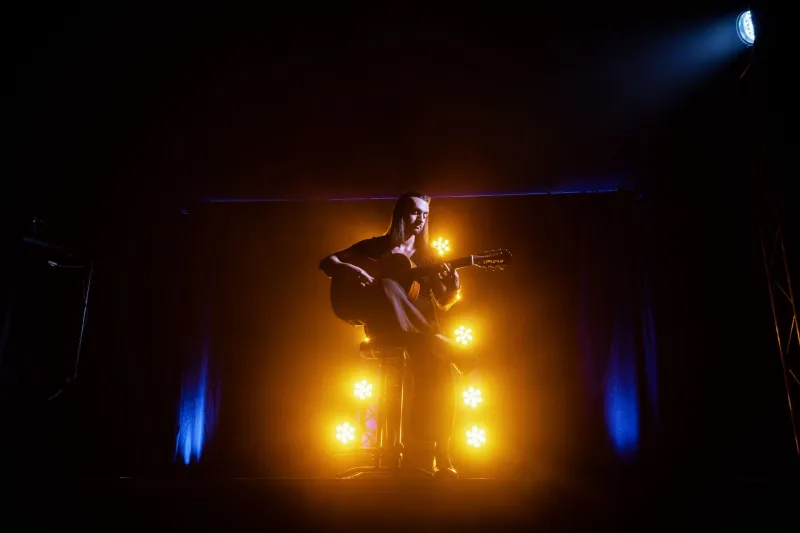
And really, that's what being a solo artist is all about, isn't it? One voice, one stage, one real-time connection with a room full of people who showed up specifically for you. The setlist is just the opening offer.
One Voice, One Conversation
The artists who figure this out — who learn to balance their own creative instincts with genuine responsiveness to their audience — tend to build something more valuable than a good show. They build loyalty. People leave feeling like they were actually seen, not just performed at.
And that's the kind of thing that brings fans back. Not just next time, but every time.
So the next time you're building a setlist, ask yourself one honest question: am I making this for me, or for the room? The answer doesn't have to be one or the other. The best shows happen when it's both.