Last Note Standing: How Solo Artists Are Completely Reinventing the Way They Leave the Stage
Last Note Standing: How Solo Artists Are Reinventing the Way They Leave the Stage
There's a moment every solo performer knows well. The last chord rings out, the lights shift, and somewhere in the back of the room, a handful of people start clapping in that slow, expectant way that basically means come back out. The encore. It's been a concert staple for decades — a theatrical little ritual that audiences and artists both understood without anyone ever having to explain it.
Except now? A lot of solo artists are done playing that game.
Across the independent music scene, performers are rethinking how they close their sets — not just which song to end on, but whether the traditional encore structure even makes sense anymore. And the answers they're landing on are surprisingly varied, deeply personal, and honestly kind of fascinating.
The Encore Was Never Really Spontaneous
Let's be honest about something: the encore stopped being spontaneous around the time stadium tours started printing setlists in the program. Most audiences know the drill. The band walks off. Everyone claps. The band comes back. It's a script everyone follows without acknowledging they're following it.
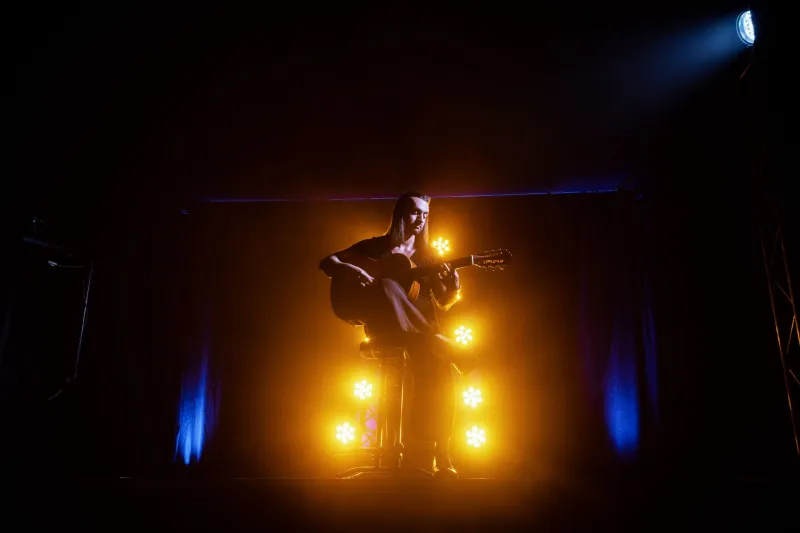
For a solo artist playing a 200-cap venue in Nashville or a listening room in Portland, that script can feel even more hollow. When it's just you and a guitar and 80 people in a room, the manufactured drama of walking offstage and pretending you didn't plan to come back can land as awkward rather than electric.
"I did the fake encore thing for about two years," says one independent singer-songwriter who tours the Midwest circuit regularly. "And I could always feel the energy kind of deflate. People knew what was happening. It felt like a formality, not a moment."
That deflation is something a lot of solo performers are talking about — quietly, in green rooms and on long drives between gigs, but the conversation is very much happening.
What the Data Actually Suggests
Here's where it gets interesting. Independent artists who track their own show analytics — and plenty of them do, especially those who sell merch and monitor post-show engagement on social — are noticing patterns that challenge the old model.
Shows that end with a clearly intentional, emotionally resonant final song, with no fake exit, tend to generate stronger post-show social activity. Fans are more likely to post, tag, and share when the ending felt purposeful rather than procedural. Merch sales in the immediate minutes after a set also trend higher when the closing song leaves the audience in a specific emotional state — moved, energized, or reflective — rather than waiting through the awkward interlude of an encore setup.
None of this is peer-reviewed science, obviously. But for artists who are running their own operations and paying close attention to what actually converts a casual attendee into a real fan, these patterns matter.
Three Ways Solo Artists Are Closing Differently
So what does reinventing the ending actually look like? A few distinct approaches are emerging.
The Unannounced Deep Cut Closer
Some artists are ending with a song that isn't on any playlist — something older, something rare, something that signals to the audience this is just for you, right now. It creates an intimacy that a big hit closer rarely achieves. Fans who catch it feel like they witnessed something private, which is exactly the kind of memory that turns a one-time attendee into someone who comes back every time you're within driving distance.
The Honest Goodbye
Other solo performers are scrapping the theatrical departure entirely and just... talking. Not a long speech, but a genuine moment of acknowledgment — thanking the room, sharing something real about what the night meant, and then playing a final song that feels like a natural conclusion rather than a climax. It sounds simple. It works remarkably well. There's something about a solo artist dropping the performance armor for thirty seconds that audiences respond to in a big way.
The Collaborative Finish
A growing number of independent artists are ending their sets by inviting the audience in — asking everyone to sing the final chorus, or stripping a song down so far that the crowd's voice becomes the dominant sound in the room. For a solo performer, there's something almost philosophically perfect about that. You came alone, you built something with strangers, and then you handed it back to them at the end.
Why the Ending Matters More Than We Think
Psychologists have a concept called the peak-end rule — the idea that people judge an experience largely based on how it felt at its most intense moment and how it felt at the very end. The middle mostly gets averaged out. What people remember, and what shapes whether they'd want to repeat the experience, is disproportionately influenced by that final impression.
For solo artists, this is both a challenge and a real opportunity. You don't have a light show. You don't have a backing band to fill the room with sound. What you have is presence, intention, and the ability to make every single person in that venue feel like you're closing the night specifically for them.
That's not a limitation. That's actually a superpower that most arena acts would kill for.
The New Encore Is Whatever You Make It
What's emerging from all of this isn't a single replacement model for the traditional encore — it's a broader shift in how independent artists think about agency over their own shows. The old structure was inherited from a music industry that no longer exists in the same form. Solo artists who are thriving right now tend to be the ones questioning every assumption, including the ones about how a night is supposed to end.
Maybe your show ends with a whisper instead of a bang. Maybe it ends with a room full of people singing back to you. Maybe it ends with you looking out at the crowd for a long, quiet beat before you say thank you and mean it.
The point isn't to be different for the sake of it. The point is to be intentional — to treat the final moments of your set with the same care you gave the opening song, the between-song banter, and the set order itself.
Because in a world where fans have infinite options for how to spend a Tuesday night, the artists who make people feel something real at the very end are the ones who get asked back. And for a solo artist building something from the ground up, that's everything.