The Five-File Rule: What Every Solo Artist's Press Kit Needs Before the Next Opportunity

Photo: independent musician desk with laptop press kit photos and headphones, via nfil.net
Nobody loses a gig because their songs are bad. They lose it because the promoter asked for a press kit and got a 700-word bio, a photo with a filter, and a link to a private Instagram account. By the time anyone hears a note, the opportunity has already moved on.
An electronic press kit is not a formality. It is a career tool. It should answer the questions people ask before they give you money, a stage, or a screen. In 2026, that means five files, organized and ready to send in one link.
File No. 1: The One-Sheet
The one-sheet is the first thing a booker or editor sees. Keep it to one page. Put your name, genre, city, and a one-line description at the top. Add a short list of highlights, two or three press quotes if you have them, a photo, and contact info. Include links to your music and a QR code if you want to be helpful.
What it accomplishes: it gives someone enough information to say yes, ask a follow-up question, or pass you along to the right person. It is not a bio. It is a trailer.
File No. 2: The Bio Pair
Write two bios. The short one should be 50 to 75 words and ready for a calendar listing. The long one can run 200 to 300 words and is for features, grant applications, and press. Both should tell the same story with the same facts.
Skip genre-defying. Skip boundary-pushing. Say what you sound like, where you are from, what you have released, and one detail that makes you memorable. If you have opened for someone, played a festival, or landed a placement, put it in the long bio. If you have not yet, do not invent it. What it accomplishes: it stops people from cutting and pasting the wrong paragraph into the wrong format.
File No. 3: The Photo Folder
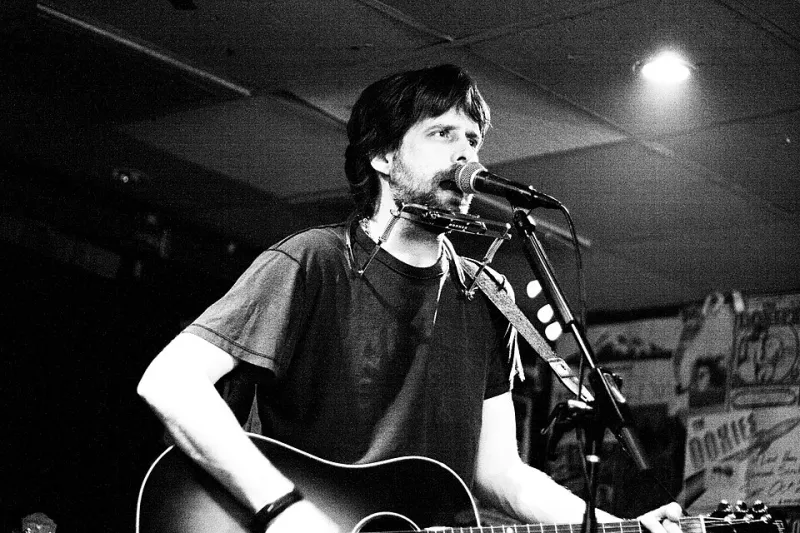
Have three to five high-resolution photos ready. One should be a clean portrait. One should be a live shot. One should work as a horizontal image for a banner or article. Include photo credits in the file names or in a text file. Do not send images with text baked into them.
What it accomplishes: editors and promoters need art. If they have to crop your selfie or pull a low-res screenshot from a video, you are already losing. Make the folder easy to browse and easy to credit.
File No. 4: The Performance Video
One strong live video is worth more than a folder of lyric videos. Aim for 60 to 90 seconds with clean audio and a stable frame. It can be a full-band clip, a solo session, or a stripped-down performance in a good room. Put it on YouTube or Vimeo and send a direct link.
What it accomplishes: it proves you can deliver. A booker wants to know what the room will feel like. A sync supervisor wants to know you can perform. A journalist wants a sense of your presence. One good clip does all three.
File No. 5: The Technical Rider and Link Hub
The fifth file is the practical one: a clean one-page technical rider with your input list, monitor needs, whether you use backing tracks, set length, and any hospitality requirements. Add a link hub with your streaming profiles, socials, mailing list, and contact email.
What it accomplishes: it prevents day-of surprises. A rider is not a diva document. It is a map. The link hub keeps people from hunting through your Instagram bio for the one URL they need.
Put It Where People Can Find It
Store everything in one shared folder with clear file names. Use PDFs, not Word documents. Send a single link instead of five attachments. Update the folder after every release, every notable show, and every new photo. The goal is not to look busy. The goal is to make saying yes easy.
When the next opportunity arrives, you should be able to send the package in under a minute. That is the whole point of the five-file rule.