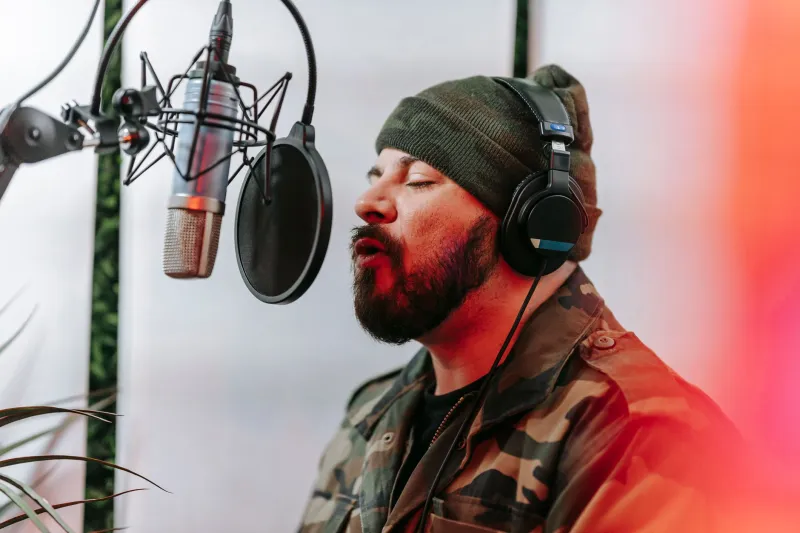
They Never Meant to Teach Anyone: How Independent Artists Accidentally Became the Music World's Best Mentors
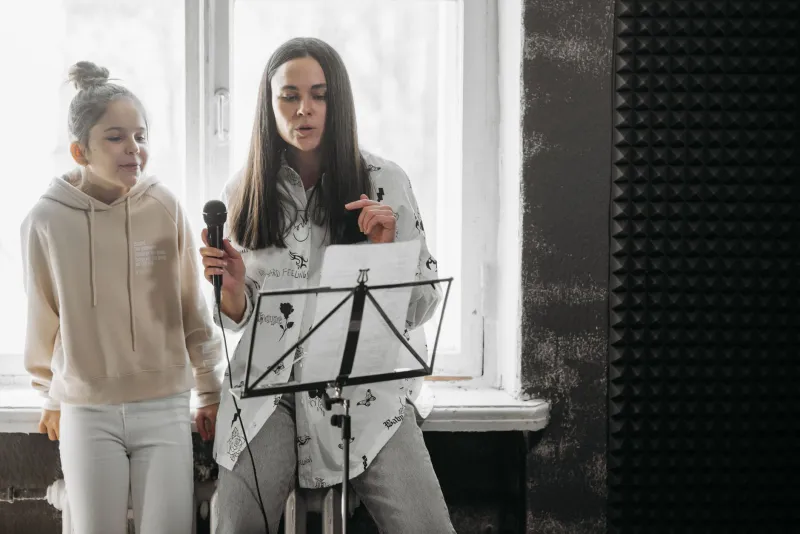
There's a moment a lot of independent artists can point to. Maybe it's the fifth time in a week that a younger musician slid into their DMs asking how they recorded that guitar tone. Maybe it's the open mic where a nervous nineteen-year-old lingered after the show, eyes wide, wanting to know everything. Maybe it's the comment section on a casual behind-the-scenes video that somehow turned into a full-on Q&A thread.
Nobody planned for any of it. And yet, quietly — almost accidentally — solo artists across the country are becoming some of the most influential music educators around. Not in classrooms. Not on syllabi. Just in the margins of their own creative lives.
The Mentor Nobody Applied to Be
Formal music education has its place. Berklee, the conservatory system, private lessons — all valuable. But there's something uniquely powerful about learning from someone who's in it right now. Someone who just figured out how to get their EP on Spotify without a distributor eating half their royalties. Someone who bombed a show last month and can tell you exactly why.
That's the kind of knowledge solo artists carry. And increasingly, they're sharing it — not because they set out to build a teaching brand, but because people kept asking, and they kept answering.
Take the pattern you see repeated across cities like Nashville, Austin, Chicago, and LA: an independent singer-songwriter starts posting honest, unfiltered content about their process. Not polished tutorials. Just real talk — the bad takes, the budget constraints, the weird creative detours. Almost immediately, emerging musicians start treating their comment sections like office hours.
"I never thought of myself as someone with advice worth giving," is a sentiment you hear constantly from artists who've stumbled into this role. "I'm still figuring it out myself." That humility, it turns out, is exactly what makes them so effective as guides.
Studio Sessions That Turn Into Masterclasses
For many solo artists, the mentorship happens most organically in the studio. A younger musician gets invited to sit in on a session — sometimes just to help carry gear, sometimes because they're contributing a part — and ends up absorbing something no YouTube tutorial could teach them.
They watch how the artist handles a bad take without spiraling. They see how decisions get made when the budget is running out. They learn that the "perfect" sound they've been chasing is usually the result of six compromises and a happy accident.
This kind of informal apprenticeship has always existed in music, but independent artists have a particular advantage here. Without a label infrastructure dictating who gets access and who doesn't, solo musicians can be more open, more generous with their process. The studio isn't a guarded corporate space — it's often a home setup or a rented room, and the vibe is collaborative by necessity.
That openness creates something rare: genuine transmission of craft, person to person, without gatekeeping.
Social Media as the New Mentorship Pipeline
If the studio is where deep learning happens, social media is where the reach explodes. A solo artist with even a modest following — say, 8,000 Instagram followers and a decent TikTok presence — has access to an audience of aspiring musicians that would've seemed impossible a decade ago.
And the content that resonates most isn't the highlight reel. It's the process. The "here's how I wrote this bridge at 2am" video. The "I almost quit last week and here's what changed my mind" caption. The live stream where someone asks a question about music licensing and the artist just... answers it honestly, for twenty minutes, because why not.
What's interesting is how this kind of content tends to perform well even beyond the mentorship angle. Authenticity drives engagement, and nothing reads as more authentic than someone sharing hard-won knowledge without trying to sell a course. The algorithm, for once, seems to reward generosity.
For the solo artist, this creates a feedback loop. Sharing knowledge builds community. Community builds loyalty. Loyalty translates to streams, ticket sales, and the kind of word-of-mouth that no marketing budget can manufacture.
Live Shows as Living Lessons
The mentorship doesn't stop when the artist walks offstage. For a lot of independent musicians, the post-show hang is where some of the most meaningful exchanges happen. A younger artist catches the headliner by the merch table. They're nervous. They have one question — or maybe twelve.
What's striking is how many established solo artists make time for these conversations. Not because they have to. Not because there's a PR angle. Just because they remember what it felt like to be that person, and they know how much a few honest words from someone further down the road can mean.
Some artists have started formalizing this a little — hosting pre-show workshops, offering "ask me anything" sessions on Patreon, or simply making it known that they're open to connecting with local musicians when they come through town. It's community-building that feels natural rather than manufactured, and audiences pick up on that distinction immediately.
What the Mentor Gets Out of It
Here's the part that surprises people: the mentorship tends to benefit the solo artist just as much as the person being guided.
Explaining your process forces you to understand it better. Answering questions about why you made a certain creative choice makes you more intentional about the choices you make going forward. Teaching, even informally, sharpens the teacher.
There's also the community angle. Independent artists often talk about the isolation of going solo — the long stretches where it's just you and the work, no label team to check in with, no bandmates to bounce ideas off. Mentorship relationships disrupt that isolation. They create a sense of belonging, of being connected to something larger than a single career.
And practically speaking, the emerging artists you help today have a funny way of becoming the collaborators, opening acts, and loyal fans of tomorrow. The music world is smaller than it looks, and generosity has a long memory.
One Voice, Multiplied
SoloSong has always believed that the independent artist's path is about more than just surviving without a label — it's about building something real, something that lasts. The accidental mentor story fits squarely into that vision.
These artists aren't running music schools. They're not positioning themselves as gurus. They're just people who figured some things out the hard way, and decided to make that knowledge available instead of hoarding it. In doing so, they're quietly reshaping what it means to be a solo artist in America — not just one voice performing in isolation, but one voice that echoes forward into the next generation.
That's not accidental at all. That's a legacy.